
ANINAG: Ternocraft revisits the Terno through history, memory, and designSeptember 21, 2026
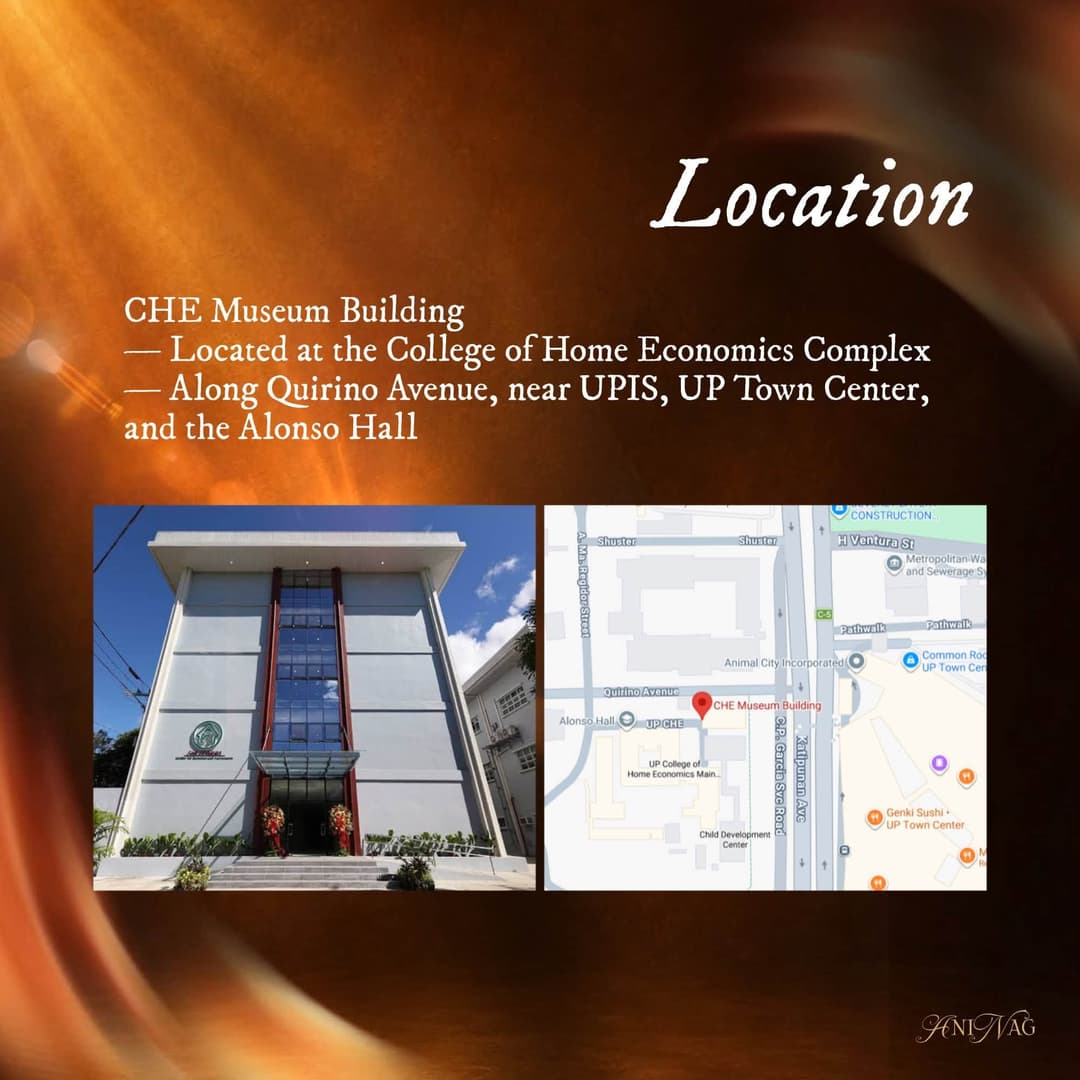
Students of CTech 41: Philippine Clothing and Textiles under Ms. Auie Aurelio opened ANINAG: Ternocraft on September 21 at the fourth floor exhibit space of the College of Home Economics (CHE) Museum Building, UP Diliman.
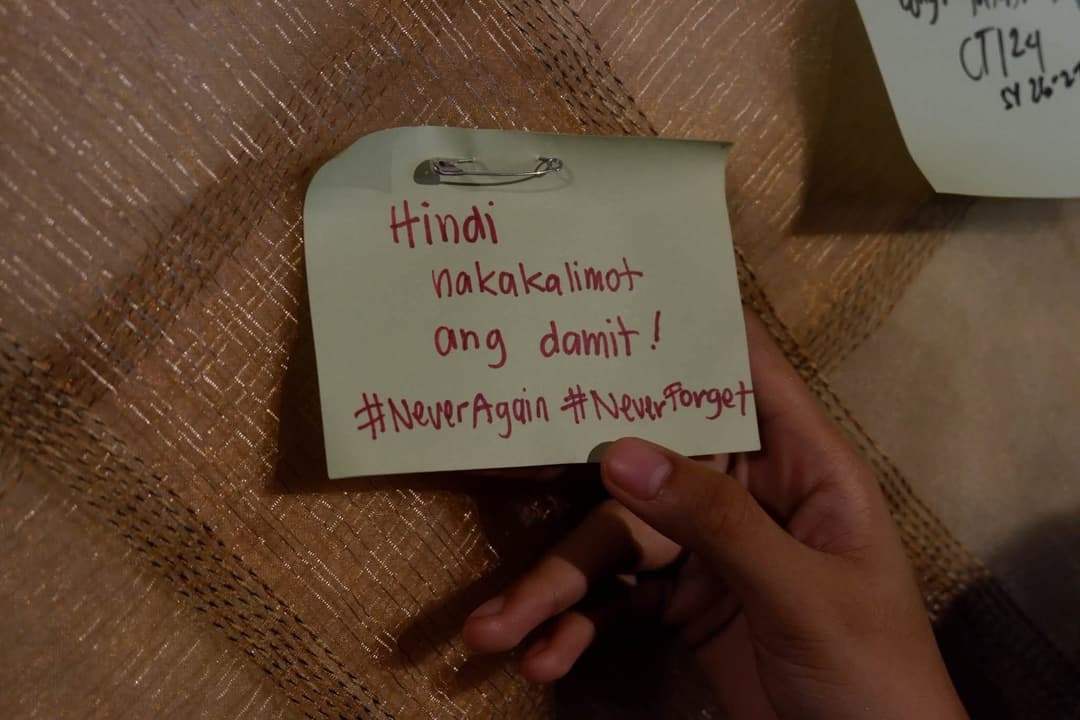
Held on the 54th anniversary of the declaration of Martial Law, the exhibit examines the Terno within the complex history of Philippine clothing and its association with the Marcos era. It brings together student-made baro and historical saya from the Jurado Study Collection (JSC), creating a dialogue between contemporary student work and garments from the collection.
ANINAG takes a closer look at how historical events can shape the way clothing is remembered and understood. The exhibit acknowledges the strong association between the Terno and the public image of Imelda Marcos while situating the garment within a much longer history of Philippine dress.
Ms. Kim Quiñola, former faculty member in charge of the Jurado Study Collection, emphasized this distinction during the exhibit opening.
“Ito ay hindi inimbento o pinaganda ni Imelda, it's been like this way before her,” Quiñola said.
For the students, revisiting the Terno provides an opportunity to examine what happens to a garment when its meaning becomes closely tied to a particular historical period. ANINAG responds by looking at the Terno not as a fixed symbol, but as a form of clothing whose meanings can change through time, use, and reinterpretation.
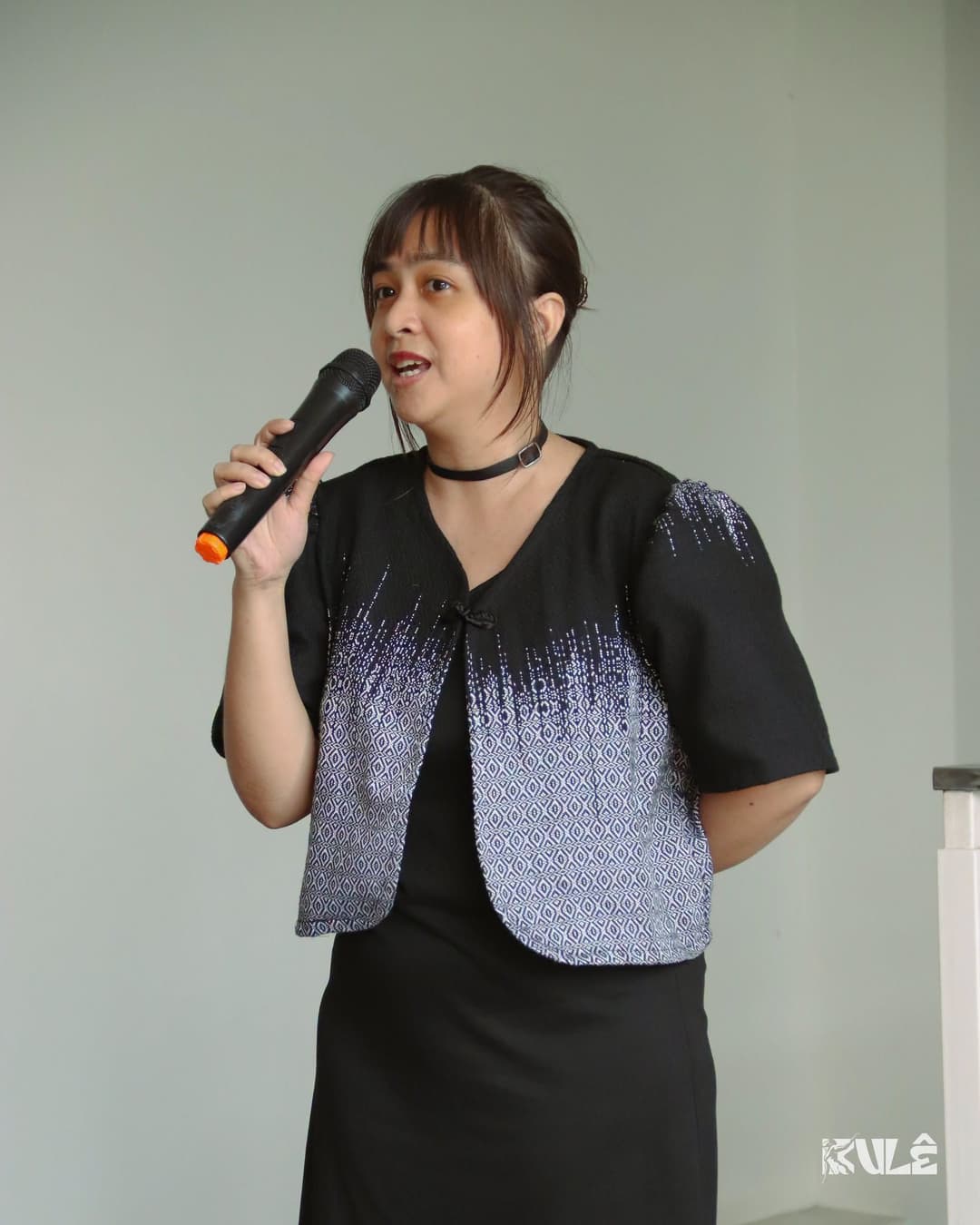
“Kasabay ng pagdilim ng lipunan noong dekada sitenta, madugong danas noong mga panahon ’yon, nagkaroon ng kapansin-pansing pagbaba sa pagtatampok ng Terno,” said Clouie Palad, head curator of the exhibit.

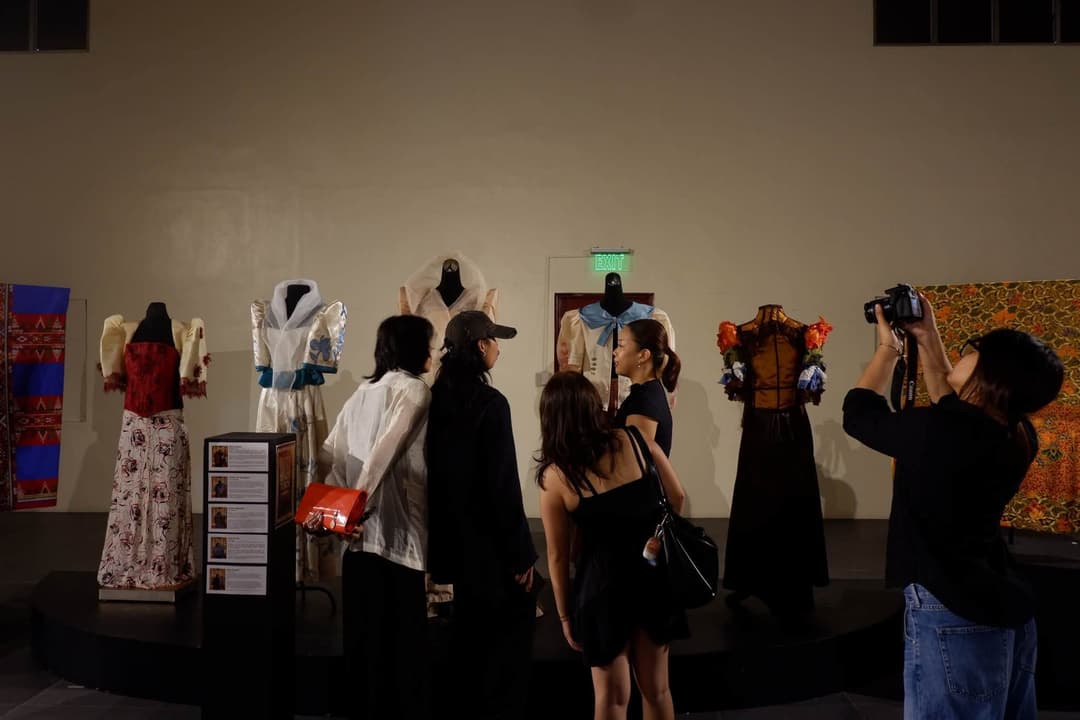
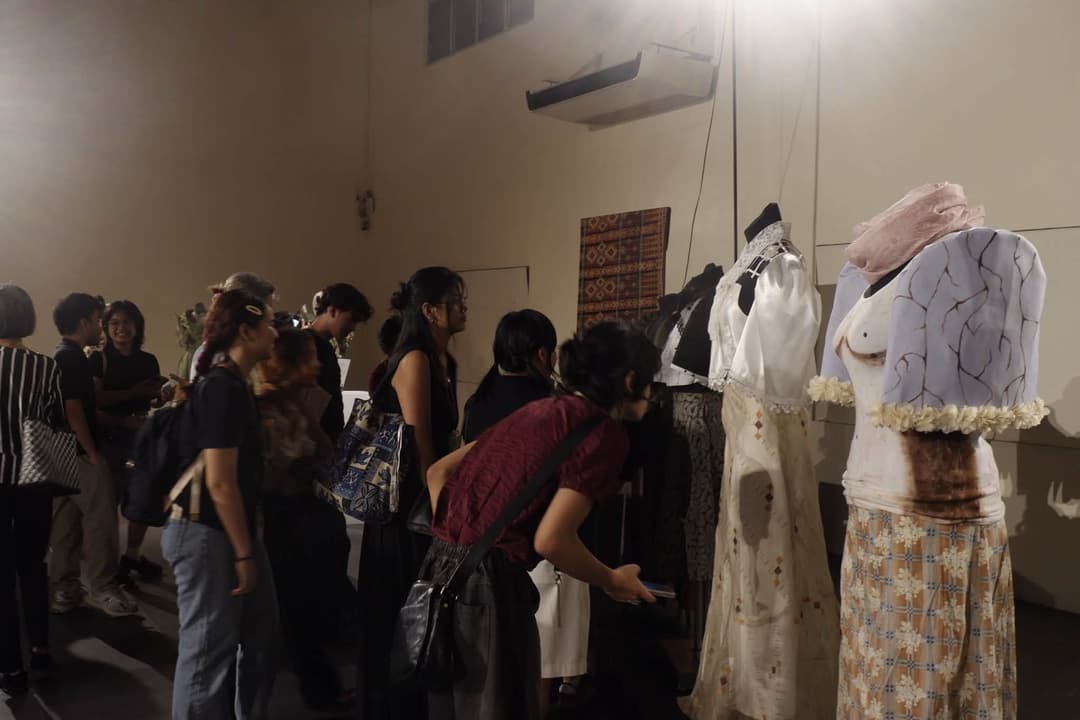
The exhibit is organized into three sections: Bukang Liwayway, Katanghalian, and Takip Silim. Each section approaches Philippine clothing from a different point of view, moving from its capacity for change, to the elements that have shaped its identity, and finally to the less visible histories and ideas surrounding it.
Bukang Liwayway considers how Philippine clothing responds to contemporary life. Katanghalian focuses on the forms, techniques, and traditional elements associated with the Terno. Takip Silim turns toward the more difficult and less visible narratives connected to clothing and its history.
The presentation of student-made baro alongside historical saya allows these different perspectives to meet within the exhibition space. The garments become points of connection between past and present, allowing visitors to consider how clothing carries traces of the people, practices, and circumstances that shaped it.
The exhibit also places the wearer at the center of this conversation. Clothing is not only an object to be preserved or displayed. Its meaning is produced through the relationship between garment and body, between what is made and what is worn.
For ANINAG, this relationship provides a way to reconsider the Terno beyond the imagery that became attached to it during the Marcos regime. The students' work does not attempt to separate the garment from its history. Instead, it uses that history as a starting point for looking at how the Terno can continue to evolve as Philippine clothing.
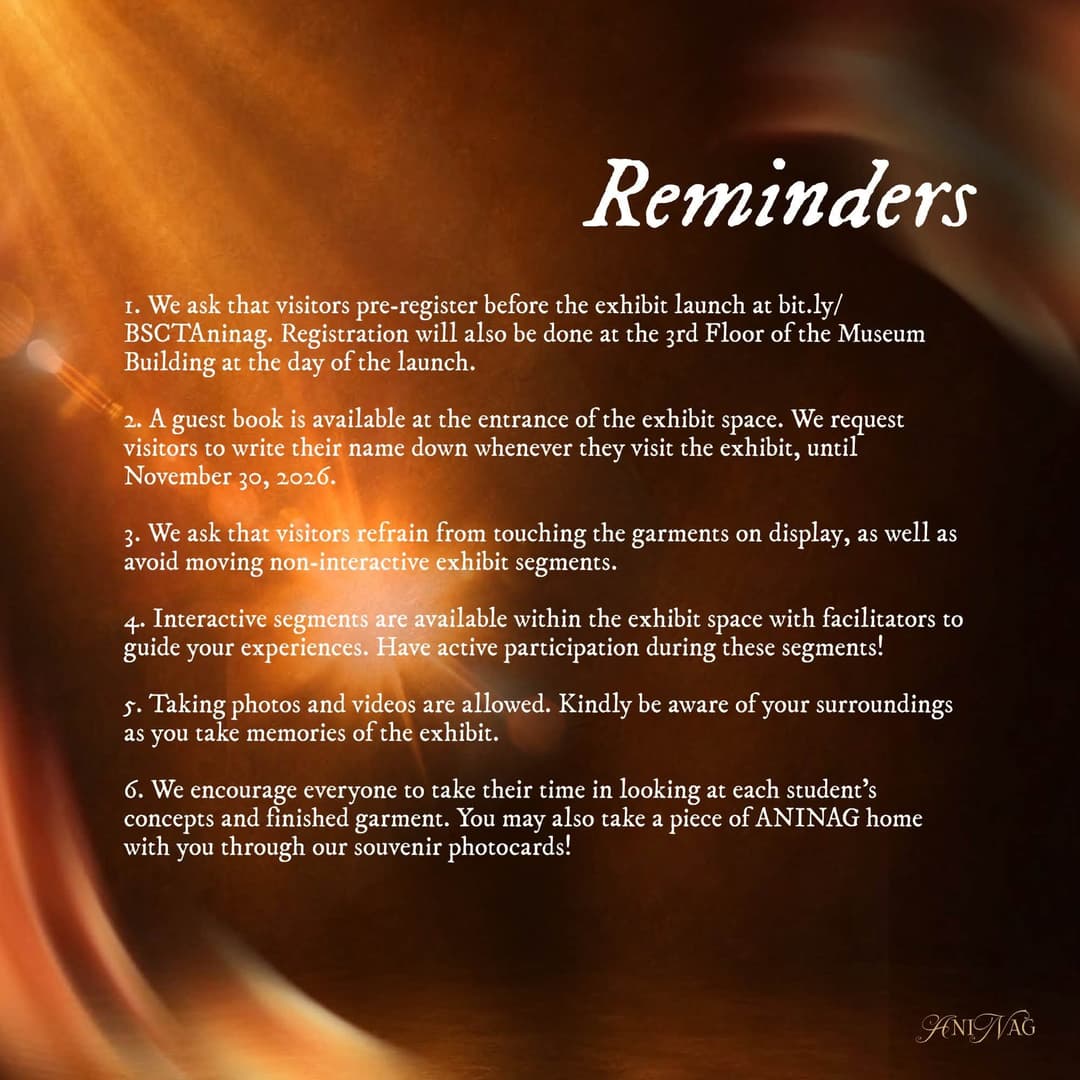
ANINAG: Ternocraft is on view until November 30, 2026, at the fourth floor exhibit space of the CHE Museum Building, UP Diliman.